
Why Implantation Is So Tricky
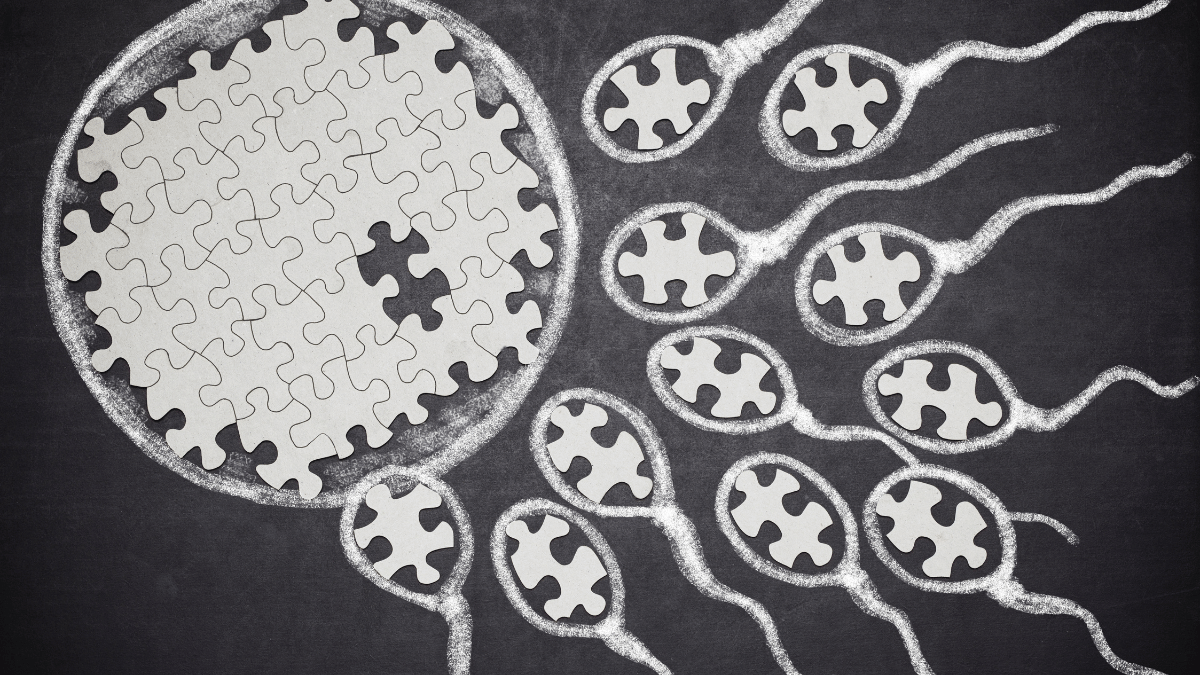
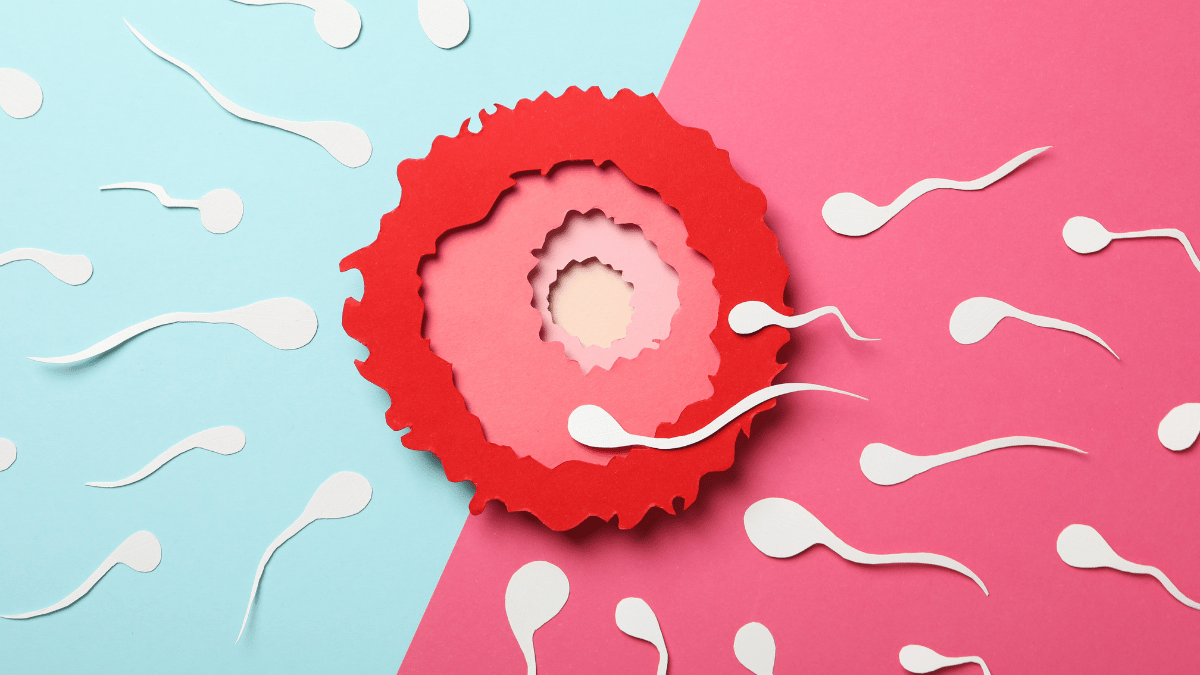
Implantation requires the coordination of many different molecules and biochemistry to occur in the right sequence. Two key players must “match”:
- The embryo (blastocyst), carrying the right signalling molecules
- The endometrium (uterine lining), expressing a specific, time-sensitive “receptive” signature
Immune cells (like uterine natural killer cells and macrophages), hormones (notably progesterone), endometrial blood flow, and the uterine microbiome all coordinate to help the embryo attach and thrive. Many IVF metrics have improved over time, but even the best euploid embryos implant at rates of about 50–60%, which speaks to its complexity.
The Medical Workup: What Clinics Typically Check
If you’re under the care of a fertility clinic, this list will have been assessed for you. If you’re trying to conceive without medical support, these are the unknowns a clinic can help clarify.
Anatomy and Structure
- Ultrasound to assess uterus, ovaries, fallopian tubes.
Fibroids
Problematic mainly by size/location (submucosal or impinging on the cavity).
Options: surgical removal or monitoring.
Polyps
Benign growths that can alter receptivity signalling and local immune activity. Removal often improves implantation.
Endometriosis (Suspected or Diagnosed)
Impacts implantation via inflammation, altered immune activity, and hormone receptor changes (especially progesterone).
- Common medical approach: down-regulation (e.g., Lupron).
- Surgery is effective but less accessible in some regions.
Window of Implantation (WOI)
Typically ~6–10 days post-ovulation.
- In modified natural FET cycles, the window may be broader, compared to fully medicated embryo transfer protocols.
- ERA (endometrial receptivity analysis) has fallen out of favor; newer data show no clear outcome benefit.
Endometrial Lining Targets
- Thickness: Aim for ≥7 mm (not absolute; an individualized approach is necessary).
- Appearance: “Trilaminar” pattern is favourable.
Some clinics assess uterine contractions or use specialized ultrasound (e.g., “AIM Fertility” ultrasound) to evaluate vascular and structural markers of receptivity.
If lining quality is suboptimal, clinics often try another cycle; adjunctive acupuncture is a strong naturopathic add-on here.
Embryo Quality
Euploid status correlates with higher implantation potential, though not universally tested. Even then, success caps near 50–60%.
Immune Protocols: The Wild West
Reproductive immunology add-ons are not standard across North America/Europe due to limited standardization and validation.
- Some clinicians use them; others prefer to avoid. Listen to your physician’s advice.
- Naturopathic care can support immune balance safely alongside conventional protocols.
The Big Levers: What Actually Moves the Needle
Vitamin D
Aim: serum levels 100–125 nmol/L (higher targets may apply in autoimmunity; work with your provider).
Roles
- Supports endometrial receptivity markers (e.g., pinopodes during WOI).
- Modulates immune balance: reduces Th1 immune response, promotes Th2, regulates NK cell activity and inflammatory cytokines.
Insulin Resistance
Even in non-diabetic patients, insulin resistance matters. Each 0.5 increase above HbA1c 5.6% is linked to a 23% higher relative risk of pregnancy loss.
Why this matters for implantation
- Drives inflammation and can impair uterine blood flow.
- Raises clotting risk—counterproductive when building the placenta’s delicate microvasculature.
Interventions
Balanced meals, muscle building, targeted supplements, sometimes medications—individualized to labs.
Iron Status and Blood Flow
- Adequate iron supports lining thickness.
- Regular movement improves uterine blood flow—avoid bed rest post-transfer (studies suggest it may worsen outcomes).
Microbiome (Uterine and Gut)
Lactobacillus-dominant uterine microbiome = better IVF outcomes.
- 2023 study (200 women with ≥3 failed transfers): 23% had abnormal uterine microbiomes; targeted antibiotics + probiotics increased cumulative clinical pregnancy rates to 65% vs 33% controls.
- Lactobacillus also helps immune balance (↓IL-6/IL-8/TNF-α, ↑IL-10, shifts Th1→Th2).
Practical support
- When indicated by testing: antibiotic therapy followed by probiotics (vaginal strains outperform oral for uterine rebalancing).
- Feed the new microbiome: add soluble fibre (e.g., psyllium/Metamucil) and foods like chia, alongside overall high-fiber diet.
Progesterone
Essential for endometrial remodeling and immune shifts toward pregnancy.
Who likely benefits
- Short luteal phase
- Endometriosis/progesterone resistance
- Low luteal progesterone on testing
- Certain autoimmune patterns
Even “normal” levels can merit supplementation for immune-calming benefits. Naturopathic Doctors in Ontario with prescribing rights can prescribe vaginal progesterone.
Omega-3 (Fish Oil)
At therapeutic doses (often higher than standard “one-a-day” capsules): anti-inflammatory, mildly blood-thinning, and immune-modulating.
- In recurrent loss with antiphospholipid syndrome, omega-3s performed as effectively as heparin in research settings.
- Work with your clinician on dosing and interactions.
Acupuncture
Mechanisms
Improves uterine blood flow, regulates reproductive hormones, and modulates immune cell signalling—via brain–body neural pathways.
Research highlights
- Paulus protocol (2002): ~16% absolute increase in pregnancy rates with pre/post-transfer acupuncture.
- Cridennda (2007): ~24% absolute increase; suggested ≥8 treatments for optimal results.
- 2025 literature review (25 human studies): improved endometrial morphology (e.g., trilaminar), hormone regulation, blood flow, and immune markers; likely enhances implantation and clinical pregnancy rates.
Timing
- IVF: weekly for 2 months leading up to retrieval/transfer when possible; pre/post transfer; follow-up 4–8 days post-transfer for implantation support.
- IUI: weekly leading up; a session 4–8 days post-IUI.
- TTC without treatment: approximately weekly.
Quick Answers to Common Questions
Does a prior C-section affect implantation or miscarriage risk?
Scar tissue may play a role, but effects vary and many conceive post C-section. Ask your physician; hands-on therapies can help with abdominal scarring, but uterine scarring is more complex.
Silent endometriosis with failed euploid FETs?
Consider a validated symptom questionnaire, ReceptivaDx (BCL6) testing, and/or empiric treatment with your clinical team’s guidance.
Can spotting signal implantation?
Not reliably. Often a benign hormone fluctuation or cervical irritation. It’s not a clear positive or negative sign.
Best post-transfer actions?
Gentle movement (no bed rest), good hydration, blood-flow-friendly habits, acupuncture (timed appropriately).
Optional: a beet–ginger–watermelon blend has some supportive data; think of it as a small add-on, not a make-or-break.
What’s a “good” luteal progesterone?
Ovulation is often inferred at ≥10–15 nmol/L, but many clinicians aim functionally higher (e.g., 40–60 nmol/L). Context and symptoms matter.
Can acupuncture improve lining beyond blood flow?
Yes—through neuroendocrine effects that influence estrogen/progesterone production and endometrial signaling.
A Practical Starting Plan
Labs with your clinician
Vitamin D, ferritin/iron panel, B12, CBC, fasting insulin/glucose, HbA1c, CRP, thyroid antibodies. Add others as indicated. If another provider hasn’t run hormones, you will also need TSH, prolactin, estrogen, progesterone, testosterone, and others.
Nutrition & lifestyle
30 g protein at breakfast, Mediterranean-style diet, consistent sleep, balanced meals, daily movement.
Microbiome
If indicated, test and treat; follow antibiotics with targeted vaginal probiotics; add soluble fibre (e.g., psyllium).
Supplements
Individualized to labs; discuss omega-3 dosing, vitamin D repletion, iron if low, and luteal progesterone support as appropriate.
Acupuncture
Build in a series ahead of IUI/IVF; include pre/post-transfer sessions and a follow-up 4–8 days later.
Final Thought
Implantation may be the least understood phase of fertility treatment, but you still have meaningful, evidence-informed ways to improve receptivity and overall pregnancy potential. Blend the strengths of your medical team with targeted naturopathic care, and focus on the controllables—metabolic health, micronutrients, immune modulation, microbiome support, uterine blood flow, and progesterone.
Questions? Book a discovery call with Dr. Camille Krause ND today.