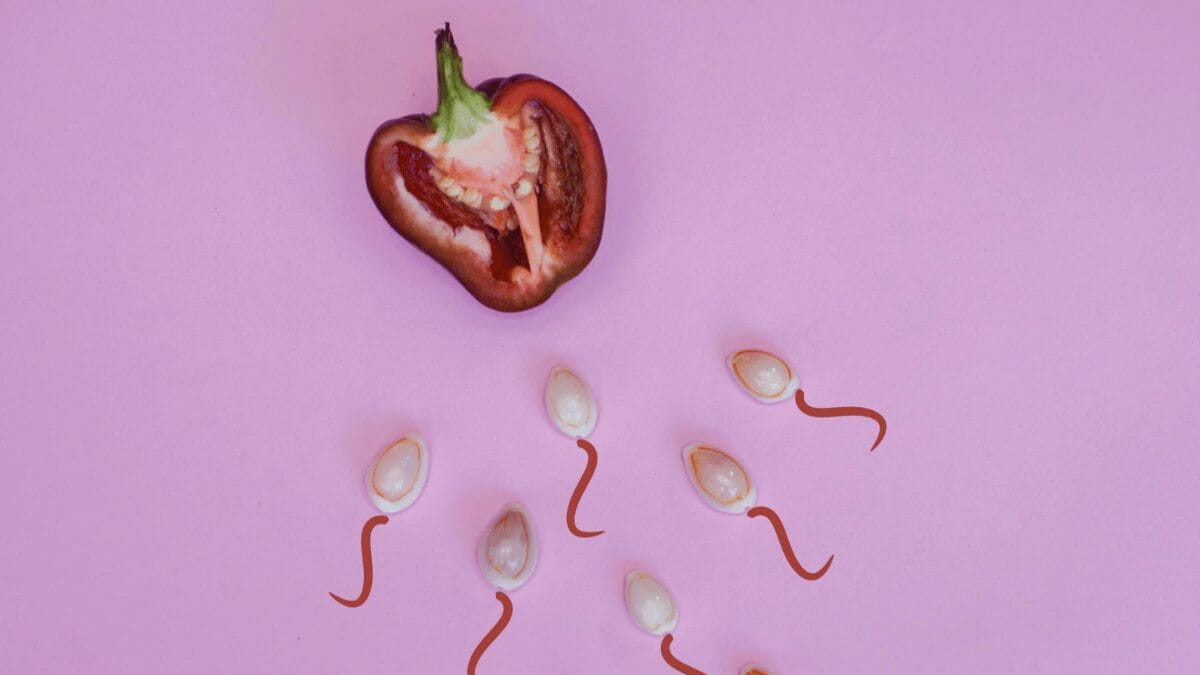
Sperm DNA fragmentation (SDF) means there are breaks or damage in the DNA of sperm cells. When sperm and egg combine, damaged DNA may prevent the formation of a genetically normal embryo. As a result, sperm DNA damage may reduce fertility, impair embryo development, and increase the risk of miscarriage.
An important thing to know: a semen analysis can come back completely normal — with normal count, motility, and morphology — and still have elevated DNA fragmentation. Without specialized testing, this issue would go undetected.
Can Anything Be Done About Sperm DNA Fragmentation?
Yes. That is exactly why testing matters — because in many cases, SDF can be lowered and outcomes for patients can be improved.
How Common Is Sperm DNA Fragmentation?
Sperm DNA fragmentation is thought to be elevated in:
- Around 20–30% of patients with infertility
- Up to 30–40% of patients with recurrent pregnancy loss
- Around 10–15% of people in the general population
Who Is More Likely to Have Elevated SDF?
SDF is more likely to be elevated in patients with:
- Unexplained infertility
- Recurrent pregnancy loss (recurrent miscarriage)
- Varicoceles
- Advanced paternal age
- Smoking, drinking, vaping, obesity, heat exposure, or oxidative stress
- Chronic illness
- Genital tract infection or inflammation
Source: PMID 31301050
Does Sperm DNA Fragmentation Affect the Chance of Getting Pregnant Naturally?
Yes. The overall evidence suggests that higher SDF is associated with lower natural fertility, although it is still possible to conceive. Some men with elevated SDF still achieve natural pregnancies.
A useful way to think about it: SDF is a risk factor, not a diagnosis that guarantees infertility.
Does High SDF Increase Miscarriage Risk?
This is one of the strongest and most consistent findings in the research.
A 2026 umbrella meta-analysis — combining prior meta-analyses and over 25,000 ART cycles — found that couples in which the male partner has high SDF have approximately 2.3–2.5 times higher odds of miscarriage after IVF or ICSI compared with couples with lower SDF.
To put this in perspective: if the average population miscarriage risk is 10%, it rises to approximately 21.7% in the high SDF population.
Source: PMID 41501955
Because of this evidence, the 2026 recommendations from the American Society for Reproductive Medicine (ASRM) state that sperm DNA fragmentation testing may be considered in patients with recurrent unexplained pregnancy loss, particularly when infertility is also present.
What About IVF, IUI, and ICSI?
From that same 2026 meta-analysis, researchers found the following effects of high SDF on fertility treatment outcomes:
| Outcome | Effect of High SDF |
|---|---|
| IVF clinical pregnancy rate | Reduced by about 34% (RR 0.66) |
| IUI clinical pregnancy rate | Reduced by about 53% (RR 0.47) |
| ICSI clinical pregnancy rate | Small reduction (~11%; RR 0.89) |
For live birth outcomes, a previous meta-analysis found that couples with low SDF had a 17% higher live birth rate than those with high SDF (RR 1.17, 95% CI 1.07–1.28).
What Causes High Sperm DNA Fragmentation?
Common contributors include:
- Smoking
- Obesity
- Varicocele
- Genital tract infection or inflammation
- Advanced paternal age
- Heat exposure (hot tubs, saunas, occupational heat)
- Environmental toxins
- Oxidative stress
The good news is that many of these causes are reversible. After three months of targeted changes, it may be possible to see a meaningful difference in test results.
What Can Be Done to Lower Sperm DNA Fragmentation?
Many studies highlight interventions that can lower SDF — which means there is real opportunity to improve patient outcomes. Evidence-based strategies include:
- Smoking, alcohol, vaping, and nicotine cessation
- Weight loss when appropriate, targeting a BMI under 25
- Treatment of infection or inflammation
- Reducing heat exposure
- Antioxidant support through targeted supplementation
- A Mediterranean diet prioritizing vegetables and antioxidant-rich foods
- Addressing nutrient deficiencies identified through bloodwork
- Addressing insulin resistance
Working with a fertility-focused Naturopathic Doctor can help customize this treatment plan to your individual needs and timeline.
What Are the Next Steps?
1. Speak With a Fertility Specialist
Talk to your reproductive endocrinologist or a fertility-focused Naturopathic Doctor to understand whether SDF testing makes sense in your case. Book online today.
2. Consider Your Timeline
Ideally, allow three months to make changes and even retest before trying to conceive or beginning fertility treatment. This reflects the full sperm production cycle.
3. Stay Consistent
Stick with the plan for three months and check in regularly for support and to monitor progress.